
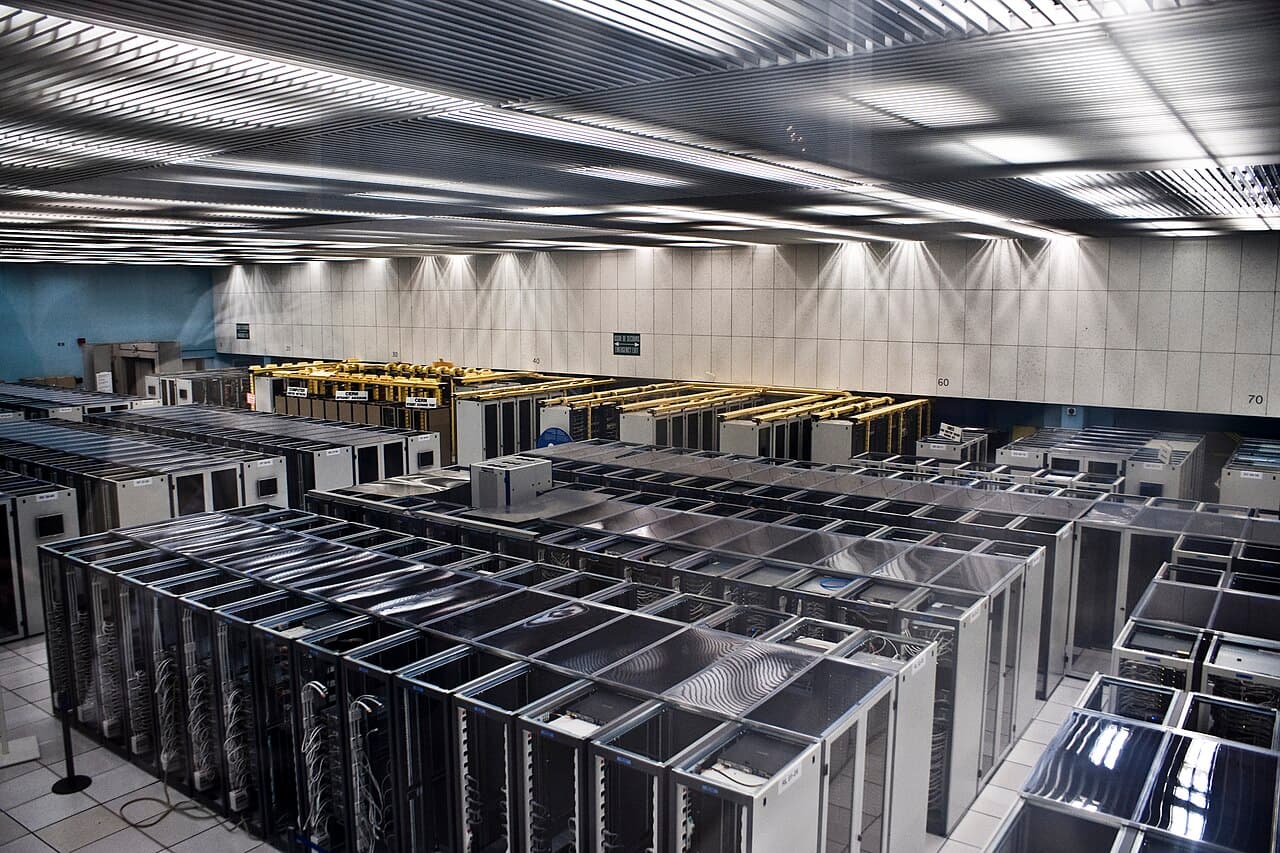
Grid bottlenecks shift capital from power generation to equipment providers
Recent trading patterns show a clear divergence as equipment manufacturers outpace utilities amid rising connection backlogs.
Snapshot
The divergence in short term performance between power equipment providers and nuclear utility operators indicates that the market is beginning to price grid connection delays over raw generation capacity. Raw power generation capacity is secondary to immediate grid connection and distribution hardware. If utility power purchase agreements bypass traditional grid constraints, this thesis could break, as data centers may find alternative pathways to secure electricity without relying on traditional transmission infrastructure.
- Independent Research
Market Data
| Company | 1D % | Price |
|---|---|---|
| ($VRT) | ▼ −1.22% | 203.56 |
| ($ETN) | ▼ −2.43% | 381.98 |
| ($PWR) | ▼ −3.62% | 596.00 |
| ($CEG) | ▼ −1.65% | 258.84 |
| ($VST) | ▲ +0.41% | 150.32 |
| ($NEE) | ▲ +0.88% | 78.86 |
as of 16:00 ET · Realtime derived data
What We Know
Equipment providers diverge. Vertiv shares fell 1.6% on the day as of July 10 2026, showing short term volatility in the hardware sector.
Sustained 5 day strength. The same manufacturer rose 6.1% over the last 5 days, indicating sustained demand for specialized cooling and power infrastructure. This trend suggests that hardware remains a priority for data center operators.
Eaton gains ground. Eaton shares rose 0.4% on the day as of July 10 2026, demonstrating steady investor interest in large scale electrical transmission equipment. The company gained 2.2% over the last 5 days, reinforcing the trend of capital flowing toward physical grid components.
Octans View
The physical grid equipment backlog is the primary bottleneck for artificial intelligence data center buildouts, as equipment providers command a premium due to immediate backlog monetization documented in Vertiv SEC filings. Long term US 10 Year Treasury yields influence the capital expenditure models of these capital intensive projects. High borrowing costs could delay utility scale commitments if financing terms tighten.
Quanta Services declines. Quanta Services dropped 1.4% on the day and fell 1.5% over the last 5 days as of July 10 2026, showing that even leading grid construction firms face short term market pressure.
NextEra baseline. NextEra Energy rose 1% on the day as of July 10 2026, showing defensive utility behavior. However, the stock fell 0.4% over the last 5 days, lagging the equipment manufacturers.
Bear Case · Room for Disagreement
The premium on equipment providers is temporary and will reverse as utility scale power purchase agreements are finalized, with Constellation Energy rising 0.3% on the day and gaining 5.1% over the last 5 days as of July 10 2026.
Vistra shows strength. Vistra rose 0.6% on the day and gained 5.2% over the last 5 days as of July 10 2026. If equipment backlogs ease, pricing power could shift back to these utilities, pushing Vistra daily gains above 1.6%.
Chart
1.6%
More on $VRT
4 reports
Wholesale power pricing spikes mask structural margin concentration across independent power producers
Surging net income at power generators relies heavily on transient pricing power rather than sustained volume growth.
Independent power producers face structural earnings divergence as capacity demand expands
Recent quarterly filings show operational net margins diverging sharply between independent power producers despite rising broad market exposure to power infrastructure.
Power Producer Equities Are Decoupling From Broader Data Center Infrastructure Names
Divergent 5 day price actions highlight shifting market allocations between nuclear generators and equipment suppliers.
Chinese yuan per US dollar at 6.6912, lowest since June 2022
A daily reading from Tiingo forex data, compared with the full history of the series.