
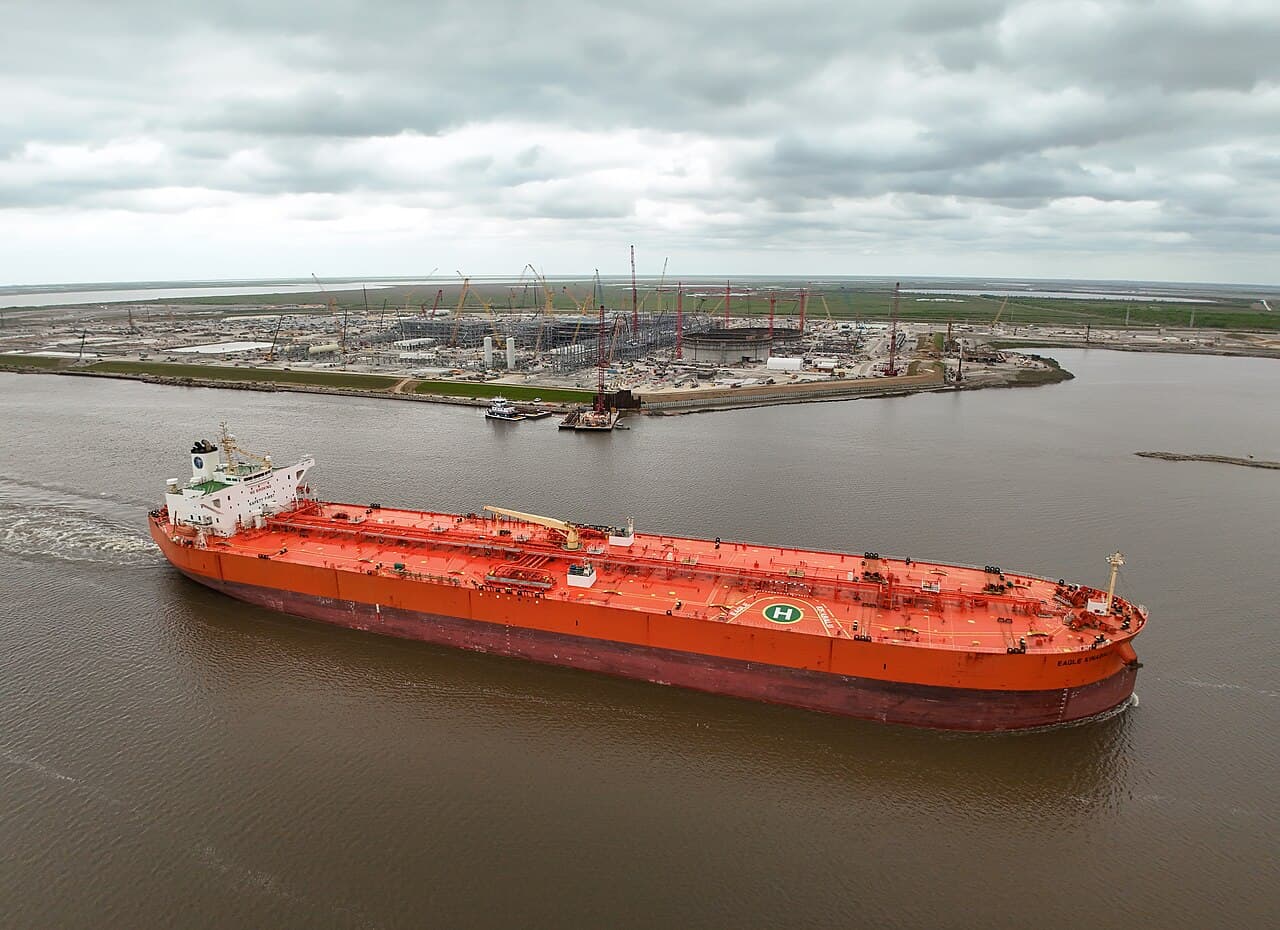
Tanker Equities Decouple From Container Shipping as Energy Transport Demand Diverges
A divergence in weekly performance reveals structural strength in wet bulk carriers while container lines face cyclical headwinds.
Snapshot
A sharp divergence between tanker equities and container shipping lines on July 10 2026 reveals a structural shift in global trade routes. Wet bulk carriers benefit from elongated energy transport lanes while container lines face cyclical headwinds, suggesting energy transport demand is decoupling from broader consumer freight markets to establish a new paradigm.
- Independent Research
Market Data
| Company | 1D % | Price |
|---|---|---|
| ($FRO) | ▲ +1.80% | 53.44 |
| ($STNG) | ▲ +1.91% | 83.00 |
| ($ZIM) | ▲ +0.65% | 29.40 |
| ($MATX) | ▲ +1.03% | 237.40 |
as of 09:56 ET · Realtime derived data
What We Know
Advancing tanker equities. Frontline shares rose 4.3% on the day to close at 38.1 USD as energy transport demand remains exceptionally robust across major routes. Scorpio Tankers mirrored this strength with a same day gain of 4%.
Extended sector gains. Frontline posted a 3.8% advance over the last 5 days while Scorpio Tankers outperformed the peer group with an 8.6% climb as investors reward the sustained operational leverage in energy shipping.
Retreating container lines. ZIM Integrated Shipping Services fell 0.7% on the day. The sector faces ongoing macroeconomic headwinds that suppress freight rates across major transpacific shipping lanes.
Mirrored segment weakness. Matson also slipped during the session with a decline of 0.6%. The broader container segment continues to struggle with capacity additions. These shifting global trade volumes weigh heavily on near term pricing power.
Monitored regulatory filings. Market participants continue to monitor the FRO SEC filings directory for updates on fleet expansion plans to assess long term capacity constraints, providing critical visibility into future supply dynamics.
Octans View
The divergence is structural. ZIM Integrated Shipping Services closed at 24 USD, reflecting a fundamental decoupling of energy transport from consumer retail cycles. Elongated wet bulk routes could sustain high utilization if consumer demand softens.
Widening valuation gaps. Matson ended the session at 204.8 USD, highlighting distinct pricing environments that may expand the valuation gap further if global energy trade routes remain disrupted by geopolitical events.
Bear Case · Room for Disagreement
The performance gap is a temporary positioning anomaly. Container lines could rebound quickly if retail inventory restocking surprises to the upside. This scenario would challenge the premium valuation of Scorpio Tankers at its last close of 79.3 USD.
Resilient container operators. Matson managed to post a gain of 0.6% over the last 5 days despite the daily drop. This subtle strength suggests that the segment retains some underlying support from core shipping customers.
Emerging tanker risks. ZIM Integrated Shipping Services shares could reverse their recent 6.3% decline if the US 10 Year Treasury yield benchmark drops suddenly, signaling a broader macroeconomic shift.
Chart
4.3%
More on $FRO
4 reports
Chinese yuan per US dollar at 6.6912, lowest since June 2022
A daily reading from Tiingo forex data, compared with the full history of the series.
Where the yuan per US dollar exchange rate stands versus its history
The yuan per US dollar exchange rate was 6.6912 yuan per US dollar on Oct 16, 2026, in the lower third of its 12 month range. Updated when Tiingo forex data publishes a new reading.
Where the yen per US dollar exchange rate stands versus its history
The yen per US dollar exchange rate was 157.99 yen per US dollar on Oct 16, 2026, in the middle third of its 12 month range. Updated when Tiingo forex data publishes a new reading.
Where the Federal Reserve's broad US dollar index stands versus its history
The Federal Reserve's broad US dollar index was 121.60 on Oct 9, 2026, in the upper third of its 12 month range. Updated when the Federal Reserve Board (H.10) publishes a new reading.